founding story

The Story of Elm Wa Dafa Foundation, and democracy.
From the Seed of Volunteerism to an Institution Shaping ImpactThe story began in late 2012, with the formation of the Civil Action Committee in Syria—one of the civil and community committees born in the early stages of the Syrian uprising, aimed at supporting families affected by oppression and displacement.From the very first moment, it was clear that education—especially child education—was the most vital gateway to protecting human dignity and rebuilding the social fabric on the foundations of freedom, responsibility, and democracy.
The Launch: Education as a Priority
The movement (Together for a Free and Democratic Syria) served as the primary supporter of the committee during that early stage. It provided the initial financial resources and essential social networks, creating a genuine launching pad for the committee's work.
The committee's team initiated small educational projects across several regions. Soon, these initiatives transformed into vibrant centers serving hundreds of children, marking milestones of real impact that launched from:
- Lattakia: A kindergarten for children aged 3 to 6 was established in 2013 and continued its operations until the end of 2019, providing a safe environment for learning and growth.
- Damascus and its Countryside: The journey began with the Bayt al-Mahabba (House of Love) initiative—representing the team's first fully integrated educational experience, which started in 2015.
Bayt al-Mahabba : The Major Beginning
The "Bayt al-Mahabba" was born out of cooperation between the Civil Action Committee and several local civil groups, along with support from the Patriarchate and prominent community figures, providing a safe cover that enabled the team to operate.
The house was originally an under-construction home donated by a local resident for temporary use. Through the team's dedicated efforts and assistance from the International Organization for Migration (IOM), the venue was equipped with doors, windows, desks, and stationery, turning it into an integrated educational center.
Within a short period, the "Bayt al-Mahabba" became a pioneering model for supportive education catering to dropouts or academically struggling children, offering daily lessons in Arabic, English, and Mathematics, alongside artistic, musical, and theatrical activities.
Although a dispute with the property owner eventually led to the project's closure, the team's spirit never faded; rather, this experience became the core nucleus for establishing the "Elm Wa Dafa" Foundation later on.
From Initiatives to Real-World Centers
Throughout this journey, "Alwane" Association in France worked alongside the Civil Action Committee, providing continuous support and mentorship since 2013. The teams operating on the ground stood out for their immense dedication, credibility, and excellent resource management, turning limited potentials into a widespread, tangible impact.
Among the most prominent projects born out of this cooperation are:
- Nahnu al_Mustaqbal..Nahnu Bukra (We Are the Future.. We Are Tomorrow) _ Al-Bareda, Damascus Countryside (2014): An educational center aimed at empowering school dropouts to return to formal education.
- Dars Wa Qessa (A Lesson and a Story) _ Jaramana, Damascus Countryside (2016–2024): An educational center for children cut off from schooling, aiming to rehabilitate and reintegrate them into schools, along with support programs for preparatory and secondary certificate students.
- Bayt al-Hikaya (House of Stories) _ Shahba, As-Suwayda (2018): Nurturing creativity among children and youth in the fields of writing, theater, and puppetry.
- The Cinema Club _ Ashrafiyat Sahnaya, Damascus Countryside (2019): A cultural activity for the community and children to promote awareness, integration, and psychological well-being.
- Bayti (My Home) _ Sahnaya, Damascus Countryside (2021): An initiative to return dropouts to education by fully equipping them.
- Fushat Amal (A Space of Hope) _ Sahnaya, Damascus Countryside (2022): An experience that revived the spirit of the "House of Love" within a more sustainable and organized institutional framework.
Philosophy of Work
These projects anchored themselves on a clear pedagogical methodology based on: - Interactive and participatory learning.
- Respecting individual differences.
- Transforming theoretical knowledge into a living practice that alters behavior.
The work was not confined to children; it expanded to include women's empowerment programs in literacy, legal awareness, and socio-economic empowerment. This ensured that the home, the school, and the community formed a single, unified circle surrounding and supporting the child.
From an Initiative to an Institutional Entity
With accumulated experience and an expanding network of volunteers and specialists, transitioning from community initiatives to a sustainable institutional entity became inevitable.
Administrative and financial frameworks were established, and official licensing files were prepared with competent authorities, giving birth today to the formal entity named:
Elm Wa Dafa Foundation
A single legal home uniting all previous projects under a unified vision, making a difference that begins with the child and grows with the community.
Since our very first launch within the Civil Action Committee in Syria, our compass has been clear: Education and protection are the truest paths to rebuilding individuals and society.
With accumulated experiences and diverse initiatives, "Elm Wa Dafa" transformed into the natural institutional evolution of the committee, carrying forward the values of credibility, dedication, and the spirit of partnership that accompanied the beginnings.
Today, Elm Wa Dafa Foundation represents a living model of an independent Syrian community institution, backed by long field experience and agile management that adapts to reality, distinguished by: - A rich track record of tangible results and continuity of work despite challenges.
- A participatory educational methodology that places the learner at the heart of the educational process.
- Transparent governance and effective administrative organization.
- A wide network of specialists and volunteers committed to human values.
- A comprehensive developmental vision that places the child and the woman at the core of the transformation process.
With these values and practices, "Elm Wa Dafa" continues its mission, turning the committee's initial idea into a deep-rooted and sustainable institutional project—where the pen drafts knowledge, the heart radiates warmth.
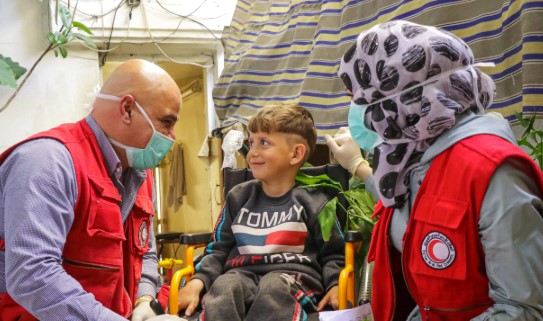 Humanitarian Assistance and Dignity: A Human-Centered Approach Beyond Relief
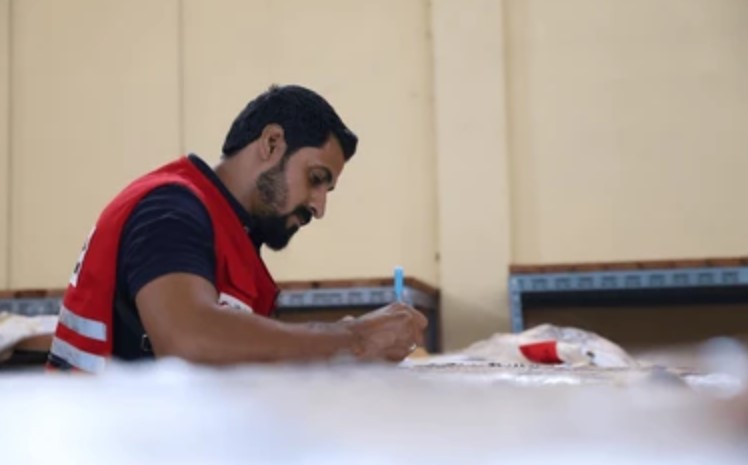 From Relief to Recovery: Toward a Sustainable Humanitarian Response
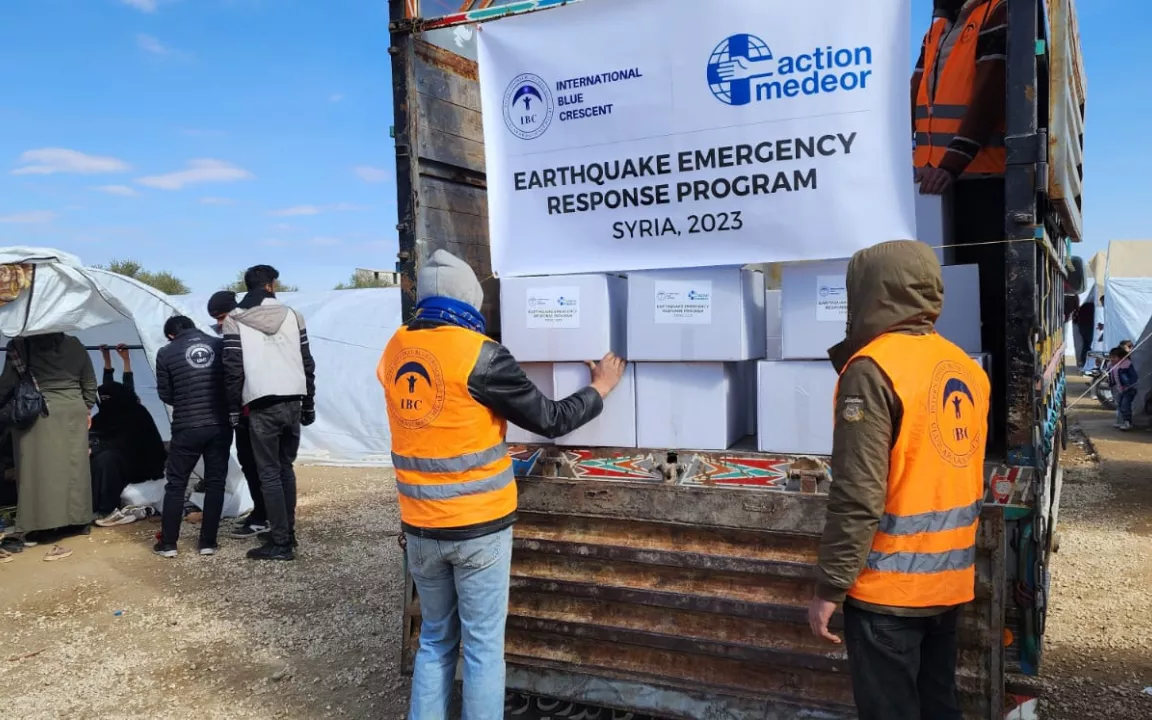 Emergency Humanitarian Response: Supporting Families in Times of Crisis
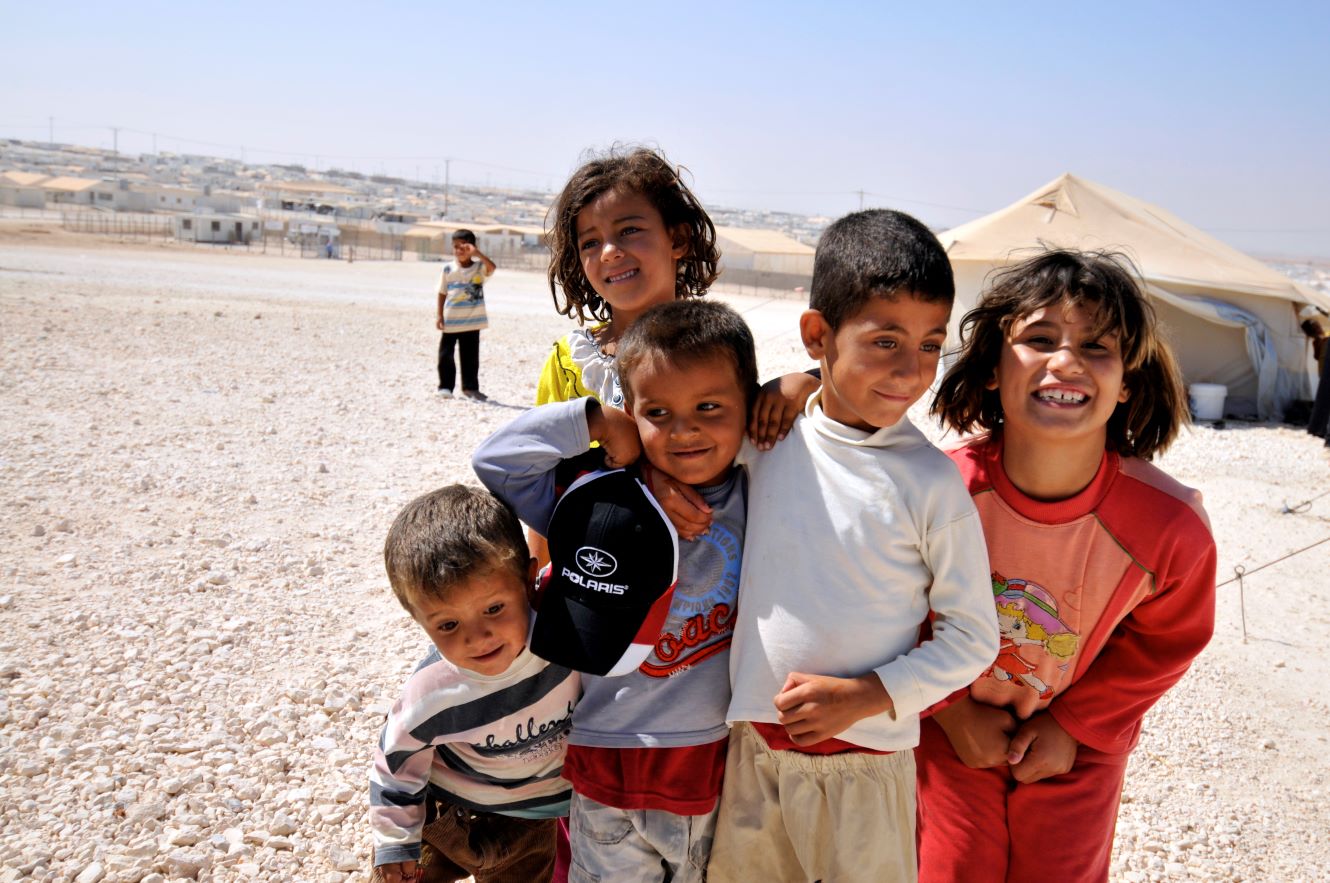 Integrated Humanitarian Support: Linking Relief with Community Protection
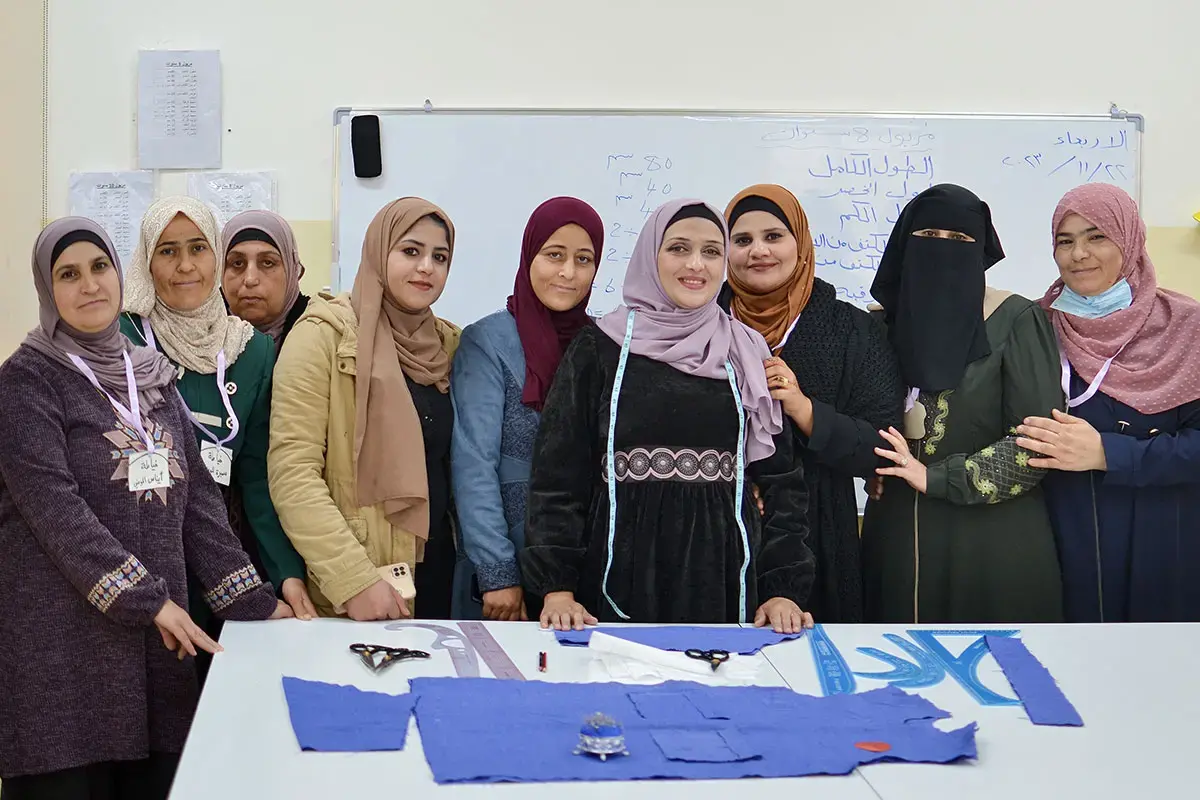 Women and Community Empowerment Program
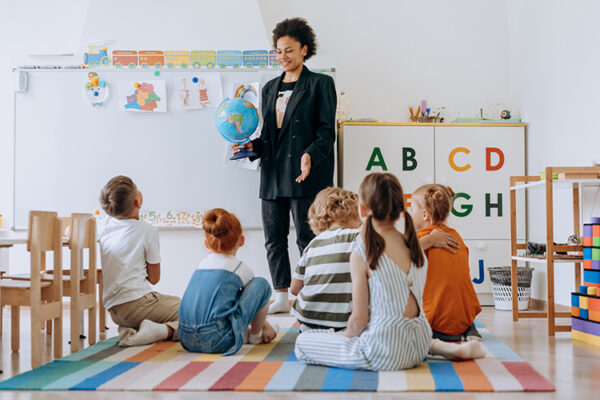 Supportive Education Program for Children
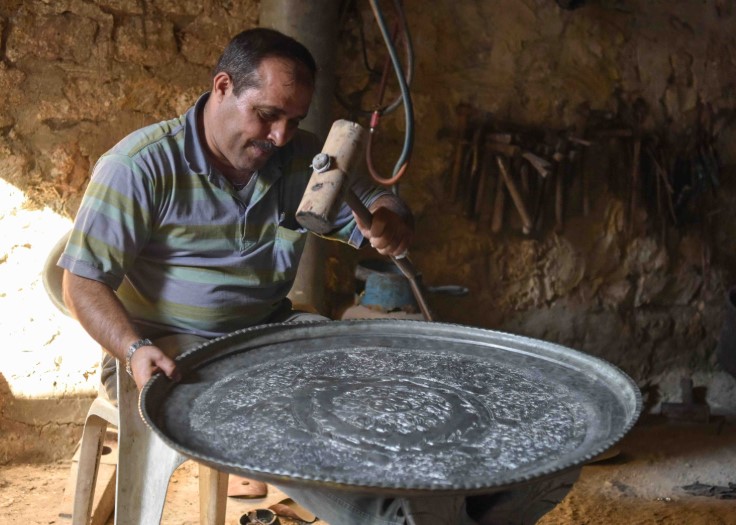 Cultural and Community Activities Program
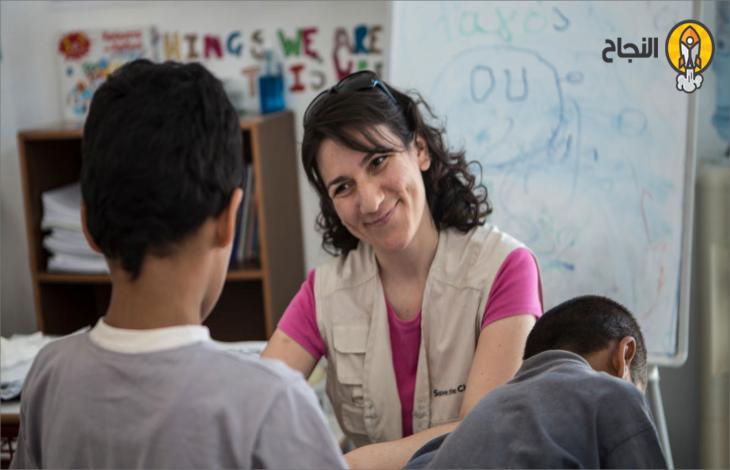 Psychosocial Support Program